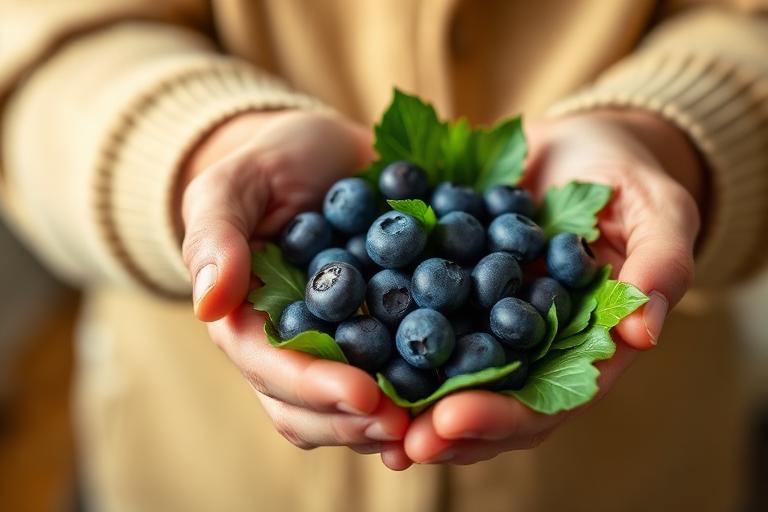
Brain inflammation and diet: what studies reveal
Neuroinflammation — chronic low-grade inflammation in the central nervous system — is now recognized as one of the central mechanisms in the development of neurodegenerative diseases like Alzheimer's, Parkinson's, and age-related cognitive decline. What makes this topic particularly relevant is that diet plays a direct role in modulating this process.
The evidence: MIND Diet and Alzheimer's
The seminal study by Morris et al. (2015) demonstrated that the MIND Diet is associated with 53% lower Alzheimer's incidence. But how can a diet have such a significant effect? The answer lies in the anti-inflammatory mechanisms of its components.
The neuroinflammatory cascade
The brain has its own immune system, primarily composed of microglial cells. When chronically activated — by pro-inflammatory diet, oxidative stress, gut dysbiosis — microglia release pro-inflammatory cytokines:
- TNF-α: directly damages neurons and synapses
- IL-6: amplifies inflammatory response, compromising synaptic plasticity
- IL-1β: interferes with hippocampal memory formation
- Prostaglandins: contribute to cerebral vascular damage
The gut-brain axis
One of the most important discoveries is the role of the gut-brain axis in neuroinflammation:
- Gut microbiota communicates with the brain via the vagus nerve, immune mediators, and metabolites
- Gut dysbiosis increases intestinal permeability ("leaky gut")
- Bacterial toxins (LPS) enter circulation and activate systemic inflammation reaching the brain
- A diet rich in fiber, polyphenols, and omega-3 promotes anti-inflammatory microbiota
Anti-neuroinflammatory nutrients and compounds
1. Anthocyanins (berries):
- Cross the blood-brain barrier
- Neutralize free radicals in brain tissue
- Reduce microglial activation by up to 50%
- Dose: 1 serving (80-100g) berries/day
2. Omega-3 (EPA and DHA):
- DHA is a structural component of neuronal membranes
- EPA and DHA generate resolvins and protectins that actively resolve neuroinflammation
- Dose: 1-2g EPA+DHA/day
3. Olive oil polyphenols (oleocanthal):
- Oleocanthal has anti-inflammatory action comparable to ibuprofen
- Inhibits COX-1 and COX-2
- Dose: 30-50mL/day quality extra-virgin olive oil
4. Curcumin (turmeric):
- Potent NF-κB pathway modulator (inflammation master switch)
- Bioavailability issues: use with piperine or liposomal form
- Dose: 500-1000mg/day enhanced bioavailability curcumin
5. Cocoa flavonoids:
- Improve cerebral blood flow
- Reduce neuronal oxidative stress
- Dose: 10-20g/day 70%+ dark chocolate
BrainShield Protocol: my clinical approach
Daily nutrition:
- 1 serving berries/day
- 2-3 servings fatty fish/week
- Extra-virgin olive oil as primary fat (30-50mL/day)
- Leafy greens at lunch AND dinner
- 30g nuts/day
- 70%+ dark chocolate as dessert (10-20g)
Supplementation (when indicated by labs):
- Omega-3: 1-2g EPA+DHA/day
- Curcumin: 500mg/day
- Vitamin D: individualized dose (target: 40-60ng/mL)
- Magnesium: 300-400mg/day (L-threonate for blood-brain barrier)
Lifestyle (synergistic components):
- Aerobic exercise 150min/week (increases BDNF, improves cerebral perfusion)
- Sleep 7-9h/night (when the glymphatic system "cleans" brain waste)
- Meditation/mindfulness (reduces chronic cortisol)
Conclusion
Neuroinflammation is a silent process that can be significantly modulated by diet and lifestyle. The combination of anti-inflammatory foods with targeted supplementation offers the best available strategy for preserving cognitive function throughout life.
The BrainShield protocol is one of the pillars of my clinical neuronutrition practice.
Scientific References
Murilo Toscano · CRN-6 26497 · About the author ·