Sugar, insulin, and inflammation: what science demonstrates
The relationship between excessive sugar consumption, insulin resistance, and chronic low-grade inflammation is one of the best-documented connections in contemporary medical literature. The umbrella review by Lane et al. (2024), published in the BMJ, consolidated decades of research and presented alarming numbers.
The BMJ umbrella review (2024): numbers that matter
Lane et al. analyzed 45 meta-analyses involving millions of participants. Findings on ultra-processed foods (UPFs):
- +55% obesity risk
- +53% cardiovascular disease risk
- +49% all-cause mortality risk
- +48% anxiety risk
- +48% sleep disorder risk
- +22% depression risk
- +12% type 2 diabetes risk for each 10% increase in UPF proportion
These numbers are dose-dependent: the higher the proportion of ultra-processed foods, the greater the risk.
The mechanism: from mouth to systemic inflammation
Phase 1 — Rapid absorption (0-30 min):
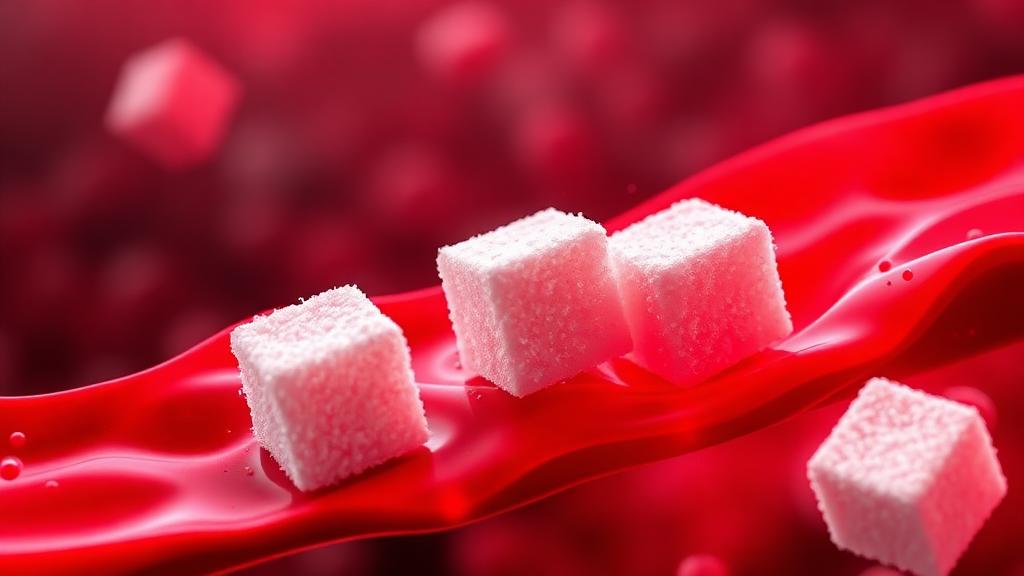
Simple sugars and refined carbs are absorbed rapidly, causing a glycemic spike. Without fiber, protein, or fat "protection," glucose floods the bloodstream.
Phase 2 — Hyperinsulinemia (30-90 min):
The pancreas responds with massive insulin release. With repeated exposure, tissue insulin receptors lose sensitivity (insulin resistance).
Phase 3 — Chronic inflammation:
Insulin resistance activates pro-inflammatory pathways (NF-κB), increasing production of inflammatory cytokines (TNF-α, IL-6, IL-1β). This chronic low-grade inflammation state — called "inflammaging" when associated with aging — underlies virtually all modern chronic diseases.
Phase 4 — Systemic consequences:
- Accelerated atherosclerosis
- Non-alcoholic fatty liver disease
- Neurodegeneration
- Gut dysbiosis
- Accelerated cellular aging (protein glycation → AGEs)
Context matters: not all sugar is equal
Whole fruit sugar ≠ Added sugar:
- An apple contains ~19g sugar, BUT also fiber (4g), vitamins, minerals, and polyphenols
- Fiber slows absorption, reduces glycemic spike, and feeds microbiota
- Studies show whole fruit consumption reduces diabetes risk (unlike juices)
Post-workout ≠ Sedentary:
- After intense exercise, muscles are eager for glucose (GLUT4 translocated)
- Fast post-workout carbs are efficiently captured without problematic hyperinsulinemia
Frequency and quantity:
- An occasional treat in a predominantly healthy diet has minimal impact
- The problem is chronic, excessive consumption characterizing the modern Western diet
NOVA classification: identifying ultra-processed foods
- Group 1: Whole foods (fruits, vegetables, meats, eggs)
- Group 2: Culinary ingredients (olive oil, salt, cooking sugar)
- Group 3: Processed (cheeses, artisan breads, preserves)
- Group 4: Ultra-processed (sodas, chips, industrial sweets, cold cuts, ready meals)
Group 4 ultra-processed foods are formulated with industrial ingredients and designed to be hyperpalatable — activating brain reward circuits similarly to drugs.
Reduction protocol: practical and sustainable approach
Weeks 1-2 — Awareness:
- Food diary to identify hidden UPF sources
- Label reading: if it has more than 5 ingredients or ingredients you don't recognize, it's probably ultra-processed
Weeks 3-4 — Gradual substitution:
- Sodas → sparkling water + lemon or unsweetened iced tea
- Breakfast cereals → oats with fruit and nuts
- Industrial bread → sourdough
- Industrial snacks → nuts, fruits, Greek yogurt
Weeks 5-8 — Consolidation:
- Sunday meal prep
- Prioritize protein + vegetables + complex carbs at each meal
- Whole fruits as standard dessert
Laboratory monitoring
- Fasting glucose: ideal <100mg/dL (optimal <90)
- HbA1c: ideal <5.7% (optimal <5.3%)
- Fasting insulin: ideal <10 μUI/mL (optimal <7)
- HOMA-IR: ideal <2.5 (optimal <1.5)
- High-sensitivity CRP: ideal <1mg/L (inflammation marker)
- Triglycerides/HDL ratio: ideal <2.0 (insulin resistance marker)
Conclusion
The 2024 evidence is unequivocal: ultra-processed foods, rich in added sugars and industrial fats, are central drivers of chronic inflammation, insulin resistance, and chronic diseases. The solution isn't eliminating all sugar or adopting extreme diets, but prioritizing minimally processed foods, respecting metabolic context, and implementing gradual, sustainable changes.
The anti-inflammatory dietary approach is a fundamental pillar of my clinical protocols.
Scientific References
Murilo Toscano · CRN-6 26497 · About the author ·